Why Choosing the Appropriate General Contractor Is Important for Your Project
Determining the right prime contractor is a pivotal judgment that can greatly shape a project's completion. A competent contractor guarantees productive administration and adherence to spending limits. Their expertise to navigate setbacks and maintain lucid communication is essential. However, many project participants miss key considerations in this selection mechanism. Understanding these elements can point to enhanced outcomes and increased gratification. What should one consider when making this notable choice?
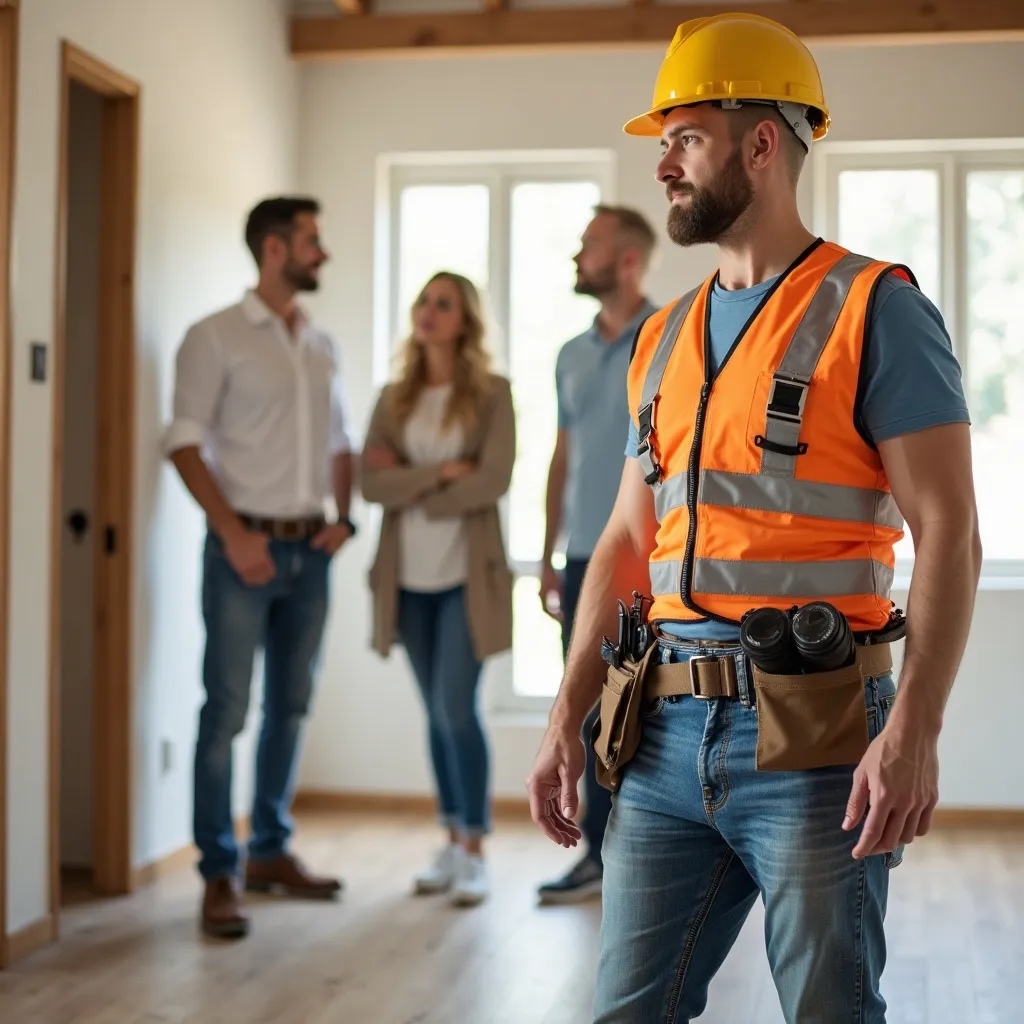
Typical Hurdles in Choosing a General Builder
When selecting a general contractor, potential clients often encounter several common difficulties that can hinder the decision-making process. One major obstacle is the overwhelming number of options available, which can lead to confusion and indecision. Customers may find it hard to differentiate between contractors based on credentials, background, and cost, rendering it challenging to identify who will best meet their construction requirements.
Another obstacle is the absence of clarity in contractor bids, where hidden costs may emerge later, affecting the project finances. Additionally, clients may encounter problems related to interaction; some contractors may fail to maintain client communication throughout the process, causing dissatisfaction. Finally, clients often struggle with confirming a contractor's credentials and past work, which can lead to uncertainty about the level of service quality expected. These obstacles necessitate careful consideration and research to guarantee the correct decision is made.
Essential Nature of a Responsible Construction Expert
A reliable general contractor plays an vital role in ensuring efficient project management and maintaining quality standards. Their expertise helps optimize processes, reducing costs and delays. Additionally, a reliable contractor upholds high standards, resulting in superior craftsmanship and client contentment.
Enhance Project Organization Productivity
Efficient project management is contingent upon the dependability of a general contractor. A reliable contractor assures that timelines are followed, resources are efficiently assigned, and communication runs seamlessly among all stakeholders. Their capability to manage subcontractors, suppliers, and laborers directly influences the progress and overall success of the project. A trustworthy contractor expects challenges, implements solutions swiftly, and remains focused on project aims This effectiveness fosters a cooperative setting supporting necessary modifications and enhancements. Ultimately, the general contractor's dependability enhances both the operational facets of the project and confidence among clients and team members, guaranteeing alignment towards a favorable final outcome.
Quality Assurance Standards
Dependable general contractors play a key role in upholding quality assurance standards during the entire project. They make sure that every task complies with established guidelines and industry protocols, which is essential to the durability and safety of the structure. A competent contractor holds strict oversight over materials and workmanship, performing regular inspections to detect and correct problems quickly. This proactive approach minimizes risks linked to inferior construction, ultimately protecting the investment. Furthermore, a reliable contractor facilitates communication among all stakeholders, guaranteeing clear and fulfilled expectations. By focusing on quality assurance, a skilled general contractor not only enhances the end product but also builds trust with clients, establishing the base for successful project results.
Assessing a Contractor's Expertise and Reputation
When selecting a general contractor, grasping their background and standing is critical, as these components greatly influence project outcomes. A contractor's experience typically demonstrates their ability to handle diverse project types, complexities, and difficulties. Assessing their portfolio provides understanding into previous work, demonstrating workmanship quality and careful attention to detail.
Moreover, reputation plays a essential role in establishing trust. Prospective clients should look for online reviews, testimonials, and references to ascertain satisfaction levels from previous clients. Consulting with past customers can demonstrate the contractor's reliability, communication skills, and adherence to timelines and budgets.
Additionally, industry affiliations and qualifications can boost a contractor's reputation, revealing a pledge to quality and ethical practices. By thoroughly evaluating both background and reputation, clients can make informed decisions, ultimately paving the way for a prosperous construction project.
Vital Characteristics of a Honest Contractor
A dependable contractor regularly demonstrates integrity, transparency, and strong communication skills. These vital traits form the basis of a prosperous professional partnership. Integrity ensures the contractor conforms to ethical practices, providing truthful evaluations and realistic timelines. Transparency involves fully disclosing assignment information, encompassing expenses and potential challenges, fostering trust between the contractor and the client.
Powerful communication abilities facilitate the contractor to express ideas effectively, grasp client requirements, and tackle any issues that surface during the project. Moreover, a dependable contractor exhibits flexibility, responding to changes and unforeseen circumstances with poise and resilience. Keen attention to detail is yet another key trait; it reflects a commitment to excellence and precision in every aspect of the work. In essence, these qualities not only strengthen project outcomes but also contribute to a positive experience for clients, making the appointment of a dependable contractor all the more critical.
Important Queries for Finding Your General Contractor?
What method can a person use to guarantee they select the right general contractor for their project? By posing a series of specific questions, potential clients can better evaluate candidates. First, inquiring about the contractor's experience with comparable assignments offers insight into their expertise. It's also essential to ask for references; speaking with previous clients can reveal the contractor's reliability and standard of work.
Next, examining licensing and insurance verifies that the contractor satisfies legal obligations and protects the client from possible liabilities. Clients should also ask regarding timelines and project management approaches to assess how the contractor plans to handle the project effectively.
Budget talks are important; requesting a thorough estimate prevents surprise costs later. Finally, understanding the contractor's communication style preferences can establish the foundation for a successful partnership. By addressing these important inquiries, clients can choose wisely in selecting their general contractor.
The Importance of Interaction With Your Contractor
Effective dialogue with a contractor is essential for work achievement. Establishing explicit expectations and delivering prompt updates can avoid confusion that often lead to costly delays. Additionally, fostering an open dialogue builds trust, ensuring a more efficient partnership throughout the construction project.
Explicit Specifications Ensure Positive Outcomes
Establishing explicit expectations is crucial for a productive partnership with a general contractor. Effective communication creates check article the groundwork for understanding project goals, timelines, and budget constraints. When both parties articulate their needs and concerns, it lowers the risk of misunderstandings that can disrupt progress. A contractor who understands the specific requirements can distribute resources wisely and address potential challenges proactively. In addition, clear expectations fosters accountability, guaranteeing that the contractor delivers on promises and that the homeowner feels involved in the process. By prioritizing open dialogue from the outset, clients can enhance collaboration and satisfaction, ultimately leading to a smoother project execution. Clear expectations not only streamline operations but also build trust between the homeowner and the contractor.
Immediate Messages Prevent Misunderstandings
Setting clear expectations builds the foundation for successful partnership, yet frequent communication is absolutely important. Consistent updates from a project manager can eliminate confusion that may occur throughout a project. When contractors consistently communicate status updates, clients stay abreast of timelines, cost modifications, and potential impediments. Such anticipatory engagement functions to align both sides' expectations and minimizes the chance of disagreements later. In addition, if problems arise, immediate communication allows speedier fixes, keeping the work moving forward. Through developing a culture of honest dialogue, contractors demonstrate their commitment to the project's success, ultimately producing a smoother operation and greater customer satisfaction. As a result, timely communications serve as a cornerstone in preserving clarity and confidence during the building journey.
Open Conversation Builds Trust
During a project's development, maintaining an open dialogue with the lead contractor becomes crucial for promoting trust and collaboration. Clear communication promises that all parties have a clear understanding of expectations, timeframes, and potential challenges. When project managers and patrons participate in regular discussions, it allows for the identification of issues before they escalate, decreasing setbacks. This openness not only fosters belief but also strengthens the overall project experience. In addition, an accessible communication channel supports commentary, enabling the construction expert to make adjustments that align with the client's vision. Finally, powerful dialogue forms a base of reciprocal appreciation, which is necessary for the proper completion of any construction job. Trust cultivated through dialogue leads to better outcomes for everyone taking part.
Frequently Requested Questions
What ways can I employ to assess if a Contractor has been Licensed?
To determine if a contractor is authorized, one should examine local governing bodies and internet sites, validate their license number, and verify it's active. Additionally, perusing online reviews can furnish knowledge about their integrity and dependability.
What Risk Coverage Should My Work Professional Obtain?
A service provider ought to obtain general liability insurance, worker injury protection, and, if necessary, malpractice coverage. These safeguard against conceivable losses, job-site injuries, and defects in work quality, ensuring economic security for both the contractor and the end user.
What Procedures Should I Take to Evaluate a Contractor's Client Feedback?
To assess a contractor's background, one should request a list of former clients, reach out to them directly, and learn about their experiences. Additionally, reviewing digital reviews and rankings can supply valuable insights into the contractor's reliability.
What Should I Take if Problems Present Themselves During the Project?
If problems occur during the project, one should record the difficulties, speak openly to the contractor, and find a solution. If required, involving a third party or seeking legal advice may also be appropriate.
What Alert Signs Should You Observe During the Hiring Process?
Red flags in the recruitment phase consist of vague estimates, missing credentials, poor communication, incomplete licenses, and unfavorable ratings. These indicators point to possible problems that could impact the quality and schedule of the project.